
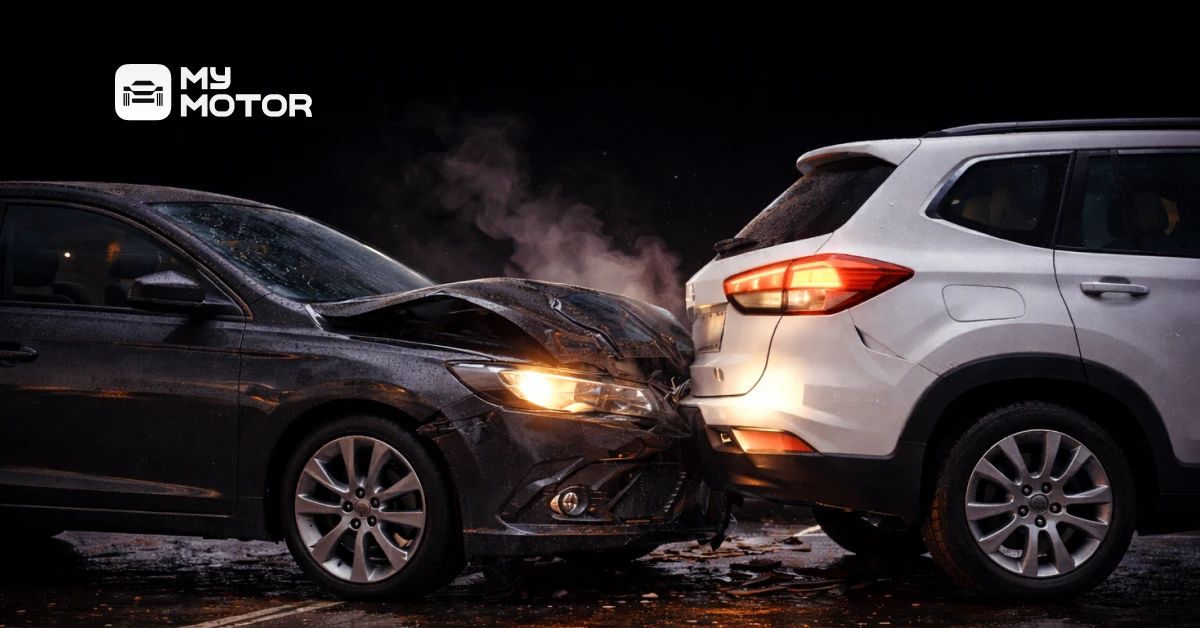
On an average day in India, hundreds of families receive news that changes their lives forever. A routine commute, a short highway drive, or a late-night return home ends in an accident that could have been prevented. Road accidents are no longer isolated incidents, they are a daily reality across cities, highways, and rural roads alike.
India consistently records one of the highest numbers of road accidents globally, leading to massive loss of life, long-term injuries, and significant economic damage. Beyond fatalities, lakhs of people suffer permanent disabilities each year, while families bear medical expenses, loss of income, and emotional trauma.
What makes road accidents particularly complex is that they rarely happen due to a single reason. In most cases, crashes are the result of multiple contributing factors, unsafe driving behaviour, poor road conditions, vehicle issues, and environmental challenges working together. Understanding these causes is essential, not just for policymakers and enforcement agencies, but for everyday road users who want to stay safe.
What Are the Main Causes of Road Accidents in India?
Human error causes = 80%+ crashes - overspeeding, drunk driving, rule violations per MoRTH data.
Human behaviour remains the most dominant factor behind road accidents in the country. Studies and official reports consistently show that the majority of crashes occur due to driver-related errors, rather than mechanical failure or weather conditions.
Actions such as reckless driving, overspeeding, unsafe overtaking, ignoring traffic signals, and aggressive lane changes account for a significant share of accidents (10%). According to data highlighted by GKToday, human error contributes to over 80% of road accidents in India, making it the single largest cause of crashes nationwide.
This data underlines an uncomfortable truth: while infrastructure ( Multiple speed + potholes + distraction ) create deadly chains and vehicle safety are important, the way people drive, and the decisions they make on the road, plays the most critical role in accident prevention.
1. Over-speeding and its Role in Road Accidents
Over-speeding = 70% fatal crashes; braking distance doubles every 20 km/h.
Higher speeds slash reaction time and multiply impact force (100 km/h = 4x deadlier than 50 km/h). NH-44 highways see 40% speeding deaths. Minor collisions turn fatal at excess speeds.
West Bengal Traffic Police: Speed + poor roads = disaster.
Over-speeding is one of the most dangerous and common driving behaviours on Indian roads. When a vehicle is driven beyond safe limits, the driver’s ability to react to sudden changes, such as a pedestrian crossing, a sharp turn, or an unexpected obstacle, reduces drastically.
Traffic authorities, including the West Bengal Traffic Police, point out that higher speeds reduce reaction time and increase braking distance. At the same time, the force of impact during a collision rises sharply with speed, making injuries far more severe.
Reports cited by NDTV Profit indicate that over-speeding is responsible for a majority of fatal road accidents in India. In many cases, accidents that could have resulted in minor injuries at lower speeds turn fatal simply because the vehicle was moving too fast for the conditions.
Read: Overspeeding Challan in India: Fines & Payment Guide
2. Drunk Driving and Substance Abuse
Driving under the influence of alcohol or drugs significantly increases the risk of accidents. Alcohol affects coordination, judgment, depth perception, and reaction time, skills that are essential for safe driving.
Medical and road safety studies, including insights from institutions like Sushrut Hospital Rajgurunagar, highlight how even small amounts of alcohol can impair a driver’s ability to make quick and accurate decisions. Drunk drivers are more likely to misjudge distances, fail to notice signals, or react too late to avoid collisions.
While drunk driving may account for a smaller percentage of total crashes compared to speeding, it is frequently associated with fatal accidents, especially during late-night hours and on highways.
Read: Drunk Driving Penalties in India
3. Distracted Driving on Indian Roads
Distracted driving has emerged as a growing threat with the increasing use of mobile phones and in-car technology. Activities such as texting, attending calls, eating, adjusting music systems, or engaging in conversations divert a driver’s attention away from the road.
According to road safety analyses referenced by Green World Group, distractions reduce situational awareness and delay reaction time, sometimes by several crucial seconds. At highway speeds, even a brief lapse in attention can result in a vehicle travelling dozens of metres without effective control.
In dense Indian traffic conditions, where pedestrians, two-wheelers, and unexpected obstacles are common, distracted driving significantly increases the likelihood of collisions.
4. Traffic Rule Violations
Ignoring traffic rules is one of the most common and preventable causes of road accidents in India. Every day, countless drivers flout basic regulations: running red lights, overtaking recklessly, driving on the wrong side, or failing to yield to pedestrians. Even minor deviations, like abrupt lane changes in dense traffic, can quickly escalate into serious accidents.
Urban areas often witness these violations despite traffic signals, cameras, and policing. Aggressive driving, impatience in peak-hour traffic, and a lack of adherence to lane discipline make accidents more likely. According to the West Bengal Traffic Police, rule violations consistently appear among the top contributors to road crashes. The problem isn’t limited to cities on rural highways, where enforcement is weaker, the risks are magnified.
5. Not Wearing Helmets and Seat Belts
Safety gear is critical, yet compliance remains inconsistent. Helmets for two-wheeler riders and seat belts in cars are proven to save lives, yet many neglect these basic precautions. A rider without a helmet is significantly more likely to suffer fatal head injuries in a collision. Similarly, unbelted car passengers are at high risk of being thrown from the vehicle or suffering severe internal injuries.
Studies show that helmets reduce the risk of death in a two-wheeler crash by about 40–50%. Yet, in India, non-compliance is especially high among young riders, informal transport drivers, and passengers on short trips. Even small lapses, like unfastened seat belts in the back seat, can have deadly consequences during sudden braking or collisions.
6. Poor Road Infrastructure
Roads themselves can be a silent cause of accidents. Potholes, uneven surfaces, faded lane markings, missing or broken traffic signs, and poorly lit streets contribute to unsafe driving conditions. A pothole that seems harmless can cause a sudden swerve, leading to loss of control, particularly for two-wheelers.
Infrastructure-related accidents are more common in rural areas and on under-maintained stretches of highways. When high-speed traffic meets poorly designed curves, narrow lanes, or unexpected bumps, even careful drivers are at risk. According to road safety authorities, poor infrastructure combined with human error is responsible for a significant proportion of serious accidents in India.
7. Environmental Factors
Weather and environmental conditions play a critical role in road safety. Rain, fog, hail, or slippery surfaces drastically reduce visibility and vehicle control. Monsoon seasons, in particular, see a spike in accidents due to waterlogged roads, reduced traction, and unexpected hydroplaning.
Glare from low sunlight or reflections on wet roads can temporarily blind drivers. At the same time, natural obstacles such as fallen tree branches, landslides, or animals crossing the road add unexpected hazards. Environmental conditions often amplify other risk factors, such as over-speeding or distracted driving, turning minor incidents into major accidents.
8. Vehicle Defects and Maintenance Issues
Mechanical failures can turn routine drives into emergencies. Brake failures, tyre blowouts, worn-out suspension systems, and malfunctioning lights can incapacitate a vehicle at the worst possible moment. Many vehicles in India are on the road without timely servicing, increasing the likelihood of accidents due to technical issues.
Even small issues like low brake fluid or worn tyres can have disproportionate consequences at high speeds. Regular maintenance, periodic inspections, and prompt replacement of worn components are essential steps to prevent accidents caused by vehicle defects.
9. Driver Fatigue
Long hours behind the wheel, particularly for commercial drivers, are a common but often overlooked cause of accidents. Fatigue slows reflexes, reduces concentration, and impairs judgment, conditions that are especially dangerous on highways and long-distance routes.
Accidents caused by drowsy driving often occur late at night or during early morning hours when natural alertness is lowest. Fatigued drivers are slower to react to sudden hazards, increasing the likelihood of collisions. Proper rest, regulated driving hours, and awareness campaigns are critical to addressing this risk.
9. Overloading of Vehicles
Carrying loads beyond a vehicle’s design capacity affects handling, braking, and overall stability. Overloaded trucks, buses, and even two-wheelers are more prone to tipping, skidding, or rolling over, particularly on curves or during sudden braking.
Overloading is a recurring problem on Indian roads, often linked to commercial pressure or poor enforcement. In addition to increasing accident risk, overloading contributes to wear and tear on infrastructure, such as roads and bridges, creating a compounded hazard for all road users.
10. Pedestrian-Related Causes
Pedestrian behaviour plays a role in accidents, especially in densely populated areas. Jaywalking, ignoring zebra crossings, and suddenly entering traffic lanes put both pedestrians and drivers at risk. Children, elderly people, and those unfamiliar with road rules are particularly vulnerable.
Even cautious drivers can be involved in accidents if pedestrians act unpredictably. Road safety campaigns increasingly focus on pedestrian awareness, but lack of compliance continues to contribute to collisions in urban and semi-urban areas.
11. Black Spots and Accident-Prone Zones
Certain road locations, known as “black spots,” have higher incidences of accidents due to poor design, hidden curves, or lack of signage. These areas often remain hazardous because of repeated failures to implement corrective infrastructure measures.
Accidents at these locations are more likely to be severe, particularly when drivers are unaware of the risks or roads are poorly maintained. Identifying and improving black spots is a priority for traffic authorities to reduce repeat accidents.
12. Systemic Issues and Enforcement Gaps
Finally, many accidents are exacerbated by systemic challenges: inconsistent enforcement of traffic laws, inadequate driver education, insufficient public awareness campaigns, and limited emergency response infrastructure. Weak enforcement, combined with high vehicle density and diverse road users, creates conditions where even minor errors can lead to major accidents.
Addressing these issues requires coordinated policy efforts, infrastructure investment, and public education, alongside responsible behaviour by all road users.